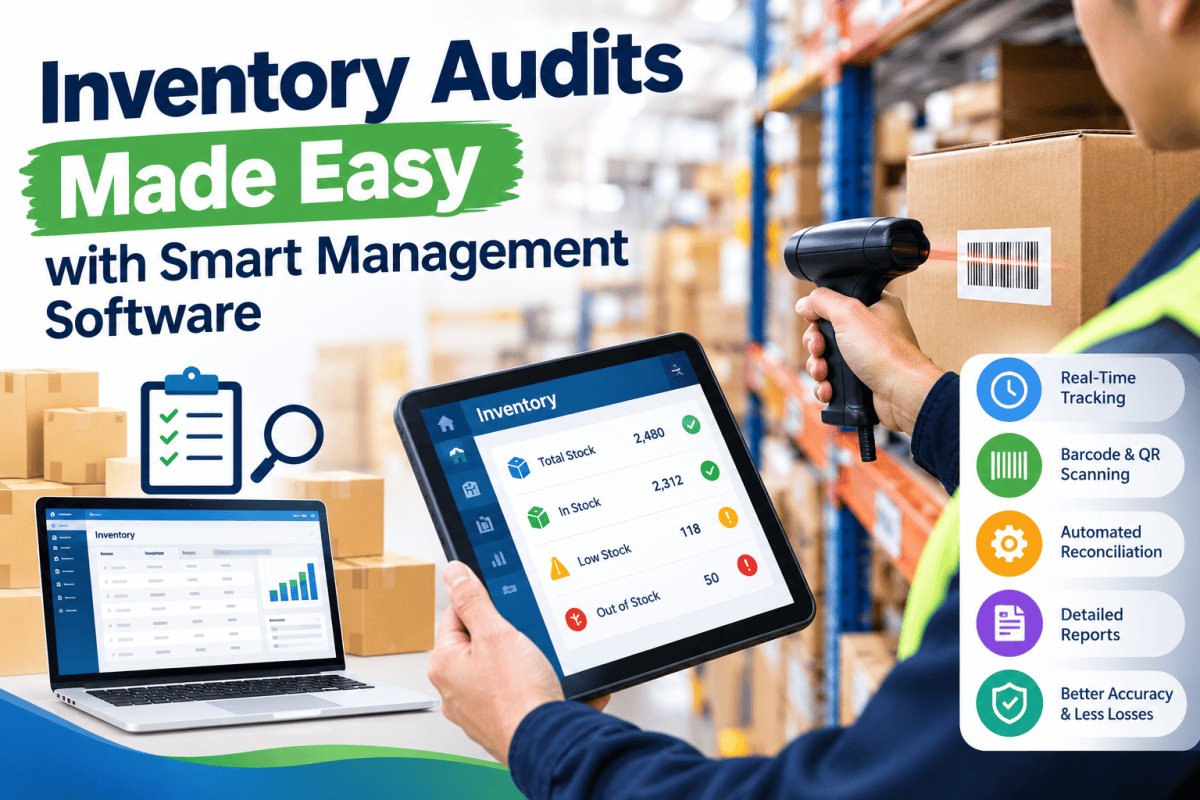
How Automated Reorder Alerts Prevent Stock Shortages
Contents
Stock shortages are one of the biggest challenges businesses face in inventory management. Running out of essential products can lead to lost sales, dissatisfied customers, production delays, and damage to a company’s reputation. Fortunately, modern inventory management systems offer a powerful solution: Automated Reorder Alerts.
These intelligent alerts help businesses maintain optimal inventory levels by notifying managers when stock reaches predefined thresholds. By automating the replenishment process, organizations can reduce the risk of stockouts and improve overall operational efficiency.
What Are Automated Reorder Alerts?
Automated reorder alerts are notifications generated by inventory management software when the stock level of a product falls below a predetermined reorder point. These alerts can be sent through email, SMS, mobile applications, or dashboard notifications.
Instead of manually checking inventory levels, businesses can rely on automated systems to monitor stock in real time and trigger timely reorder reminders.
The Impact of Stock Shortages
Stock shortages can create several problems, including:
- Lost sales opportunities
- Reduced customer satisfaction
- Delayed order fulfillment
- Production interruptions
- Increased emergency purchasing costs
- Damage to brand reputation
Even a temporary stockout can have long-term consequences, especially in highly competitive markets where customers can easily switch to alternative suppliers.
How Automated Reorder Alerts Prevent Stock Shortages
1. Real-Time Inventory Monitoring
Automated inventory systems continuously track stock movements across warehouses and retail locations. Whenever inventory levels decrease, the system updates records instantly.
This real-time visibility allows businesses to identify low-stock situations before they become critical.
2. Timely Reorder Notifications
One of the primary benefits of automated reorder alerts is timely communication. As soon as inventory reaches the reorder point, responsible personnel receive notifications.
This proactive approach ensures that purchase orders can be placed before inventory runs out.
3. Reduced Human Errors
Manual inventory monitoring often leads to mistakes such as:
- Miscounting stock
- Forgetting reorder dates
- Delayed purchasing decisions
- Data entry errors
Automation eliminates these risks by accurately tracking inventory and generating alerts automatically.
4. Better Demand Forecasting
Advanced inventory management solutions analyze historical sales patterns and demand trends.
By combining automated reorder alerts with demand forecasting, businesses can:
- Predict future stock requirements
- Adjust reorder levels seasonally
- Prepare for promotional campaigns
- Avoid unexpected shortages
5. Faster Procurement Process
When reorder alerts are integrated with purchasing workflows, businesses can accelerate procurement activities.
Some systems can even generate draft purchase orders automatically, reducing administrative workload and ensuring faster replenishment.
6. Improved Multi-Location Inventory Control
Companies operating multiple warehouses or stores often struggle to maintain consistent inventory levels.
Automated reorder alerts provide centralized visibility across locations, helping managers balance stock efficiently and prevent shortages at specific sites.
Key Benefits of Automated Reorder Alerts
Increased Product Availability
Customers are more likely to find products in stock, improving satisfaction and loyalty.
Reduced Inventory Costs
Businesses can maintain optimal stock levels without overstocking, reducing storage expenses.
Higher Operational Efficiency
Employees spend less time manually checking inventory and more time focusing on strategic activities.
Improved Supplier Coordination
Early alerts provide sufficient lead time for suppliers to process and deliver orders.
Enhanced Decision-Making
Real-time inventory insights enable managers to make informed purchasing and stocking decisions.
Industries That Benefit from Automated Reorder Alerts
Automated reorder alerts are valuable across various industries, including:
- Retail and eCommerce
- Manufacturing
- Healthcare and Hospitals
- Warehousing and Distribution
- Educational Institutions
- Food and Beverage Businesses
- Logistics and Supply Chain Operations
Any organization that manages inventory can benefit from automated stock monitoring and replenishment.
Best Practices for Implementing Automated Reorder Alerts
To maximize effectiveness:
- Define accurate reorder points.
- Regularly review supplier lead times.
- Analyze sales trends and seasonal demand.
- Integrate inventory software with procurement systems.
- Monitor alert performance and adjust thresholds when necessary.
Conclusion
Stock shortages can significantly impact revenue, customer satisfaction, and business continuity. Automated reorder alerts provide a proactive solution by continuously monitoring inventory levels and notifying teams before stock runs out.
By implementing an automated inventory management system with intelligent reorder alerts, businesses can improve product availability, reduce operational risks, streamline procurement processes, and maintain a more efficient supply chain. In today’s competitive market, automation is no longer a luxury—it is a necessity for effective inventory management.
Need help with Inventory Management? BSD Infotech supplies the hardware, builds the software and integrates both.
Request a Quote