
Livestock Tracking
1. Micro transponder
The microchip is a tiny chip that is injected beneath the skin of the pet. It contains the contact information of the owner. If the contact information is linked to a database the pets can easily be tracked if they are lost.
Component
Needle Protector Cap (polypropylene)
Biothermo Micro Transponder
Needle AISI 304 Stainless Steel
Introducer body with nozzle polypropylene
Plunger polypropylene
Physical Parameter
Length: 45.0 mm +/- 1.0 mm
Length 12 mm x Diameter 2.12 mm
O.D.: 2.60-2.65mm
I.D.: 2.30-2.35mm
Overall level length: 6mm +/- 1.8mm
Angle of needle: 17degrees +/- 0.05mm
Color- White or customized
Long- 135mm +/- 0.5mm
Wide- 48 mm +/-0 .60mm
Color- white or customized
Long- 80mm +/- 0.5mm
Diameter- 1.95 mm +/- 0.05 mm
Stylus length- 32 mm +/- 0.5mm
Stylus diameter- 1.95 mm +/-0.1mm
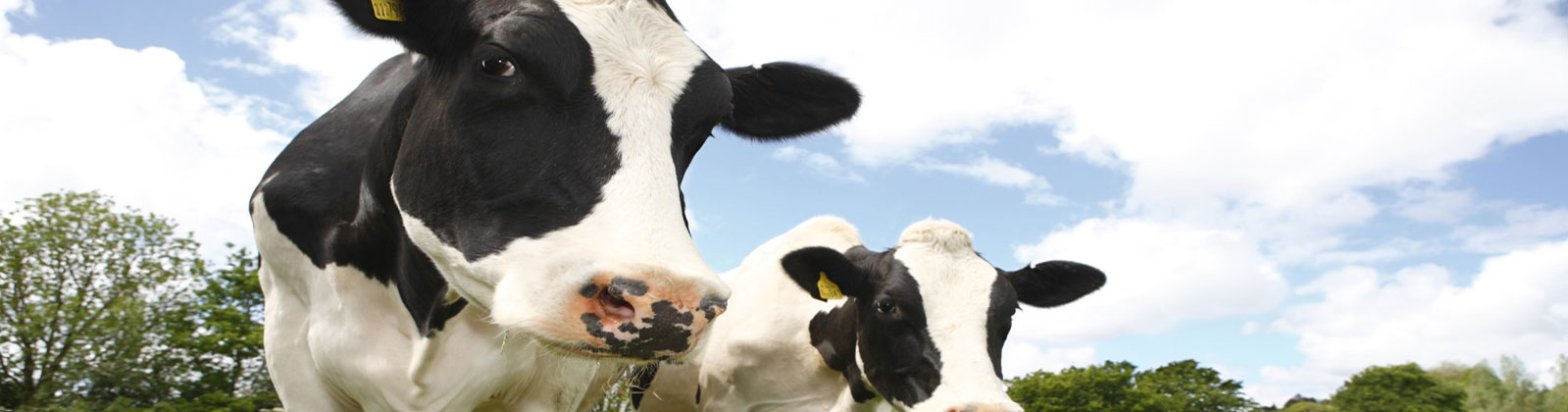
Beyond the injectable micro transponder, BSD Infotech's RFID livestock tracking solution is built around rugged RFID ear tags and boluses that are designed for long-term use in the field. Each tag carries a unique ID that is linked in software to a digital profile of the animal, so herders, veterinarians and farm managers always have a single, reliable source of truth instead of paper registers that can be lost, damaged or misread.
The system is used to record and retrieve health checkups, vaccination schedules, deworming cycles and breeding or calving history for every tagged animal, making it easy to flag animals that are due for treatment or to trace the health history of a specific animal during an outbreak. Weight gain and milk yield can also be logged against the same tag ID, supporting better feeding and breeding decisions on dairy and livestock farms.
Herd movement is tracked automatically as animals pass RFID readers installed at shed entrances, gates, milking parlours and loading points, removing the need to manually note down animal numbers each time a herd is moved, sorted or transported. This also helps enforce quarantine rules and supports faster, more accurate contact tracing if a disease is detected within a herd.
For dairies and larger livestock operations, animal ID data can be tied into farm and dairy inventory management, so herd counts, feed consumption and milk collection can be reconciled against animal records rather than kept in separate systems. The same approach is well suited to government animal husbandry and livestock census or vaccination programs, where consistent, tamper-resistant identification across many farms and locations is essential.
Key benefits of BSD Infotech's RFID livestock tracking system include:
- Durable RFID ear tags and injectable boluses suited for long-term animal identification.
- Centralized digital record of vaccination, health, and breeding history for every animal.
- Automatic herd movement logging at gates, sheds and milking parlours.
- Integration with farm and dairy inventory management software.
- Support for large-scale government animal husbandry and vaccination programs.
- Reduced dependence on manual paper registers, improving traceability during audits or disease outbreaks.